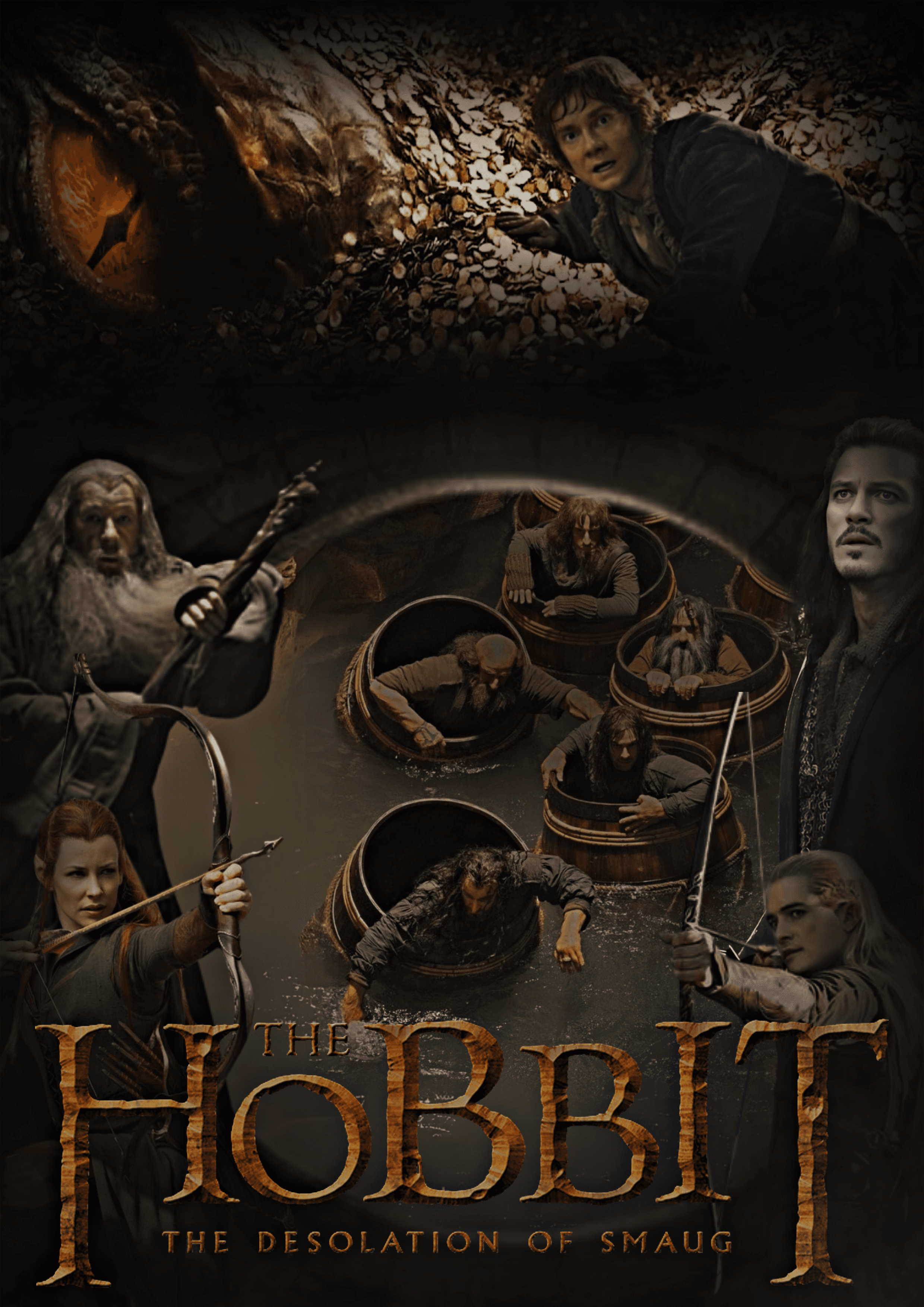
The Hobbit: The Desolation of Smaug
The Hobbit: The Desolation of Smaug
The Hobbit: The Desolation of Smaug
The Hobbit: The Desolation of Smaug
The Hobbit: The Desolation of Smaug
The Hobbit: The Desolation of Smaug
The Hobbit: The Desolation of Smaug
The Hobbit Trilogy: Cinematic Key Art & Franchise Campaign
1. Brief & Commercial Objective
A comprehensive key art campaign created for The Hobbit film trilogy (An Unexpected Journey, The Desolation of Smaug, The Battle of the Five Armies). The objective was to build epic cinematic narrative framing across three distinct theatrical releases, driving global box office sales, home media distribution, and streaming discovery.
2. Target Audience & Campaign Strategy
Audience: Fantasy cinema enthusiasts, Tolkien lore fans, general moviegoers, and streaming subscribers.
Campaign Strategy: Deliver multi-layered visual storytelling that communicates the evolving stakes of Bilbo Baggins’ journey—transitioning from personal adventure to dragon peril, and ultimately to large-scale warfare.
3. Strategic Visual Choices
Part 1: An Unexpected Journey (Hero's Origin)
Composition: A narrative collage focusing on Bilbo’s evolution, flanked by Thorin Oakenshield and Gandalf to establish character dynamics.
Color & Lighting: Golden-hour selective lighting and deep forest shadows emphasize mystery, hope, and the beginning of a grand quest.
Part 2: The Desolation of Smaug (Escalation & Peril)
Composition: Features the glowing, menacing eye of Smaug as a central focal point above the company, signaling constant surveillance and rising threat.
Color & Lighting: High-contrast palette combining fiery dragon gold with cool, shadowy blues to visually communicate tension and greed.
Part 3: The Battle of the Five Armies (Climactic Conflict)
Composition: A structured three-tiered architecture dividing lost innocence (ghostly Shire imagery), the catalyst of war (Smaug's shadow), and factional warfare.
Color & Lighting: Desaturated, grim earth tones paired with dramatic fire highlights to evoke a war-worn, sombre atmosphere.
4. Multi-Channel Execution & Touchpoints
Theatrical Key Art: Main display posters designed for cinema lobby lightboxes and outdoor display.
Streaming & VOD Infrastructure: Key art adapted for digital storefronts (Apple TV, Amazon Prime, Max) and home entertainment physical packaging.
The Hobbit Trilogy: Cinematic Key Art & Franchise Campaign
1. Brief & Commercial Objective
A comprehensive key art campaign created for The Hobbit film trilogy (An Unexpected Journey, The Desolation of Smaug, The Battle of the Five Armies). The objective was to build epic cinematic narrative framing across three distinct theatrical releases, driving global box office sales, home media distribution, and streaming discovery.
2. Target Audience & Campaign Strategy
Audience: Fantasy cinema enthusiasts, Tolkien lore fans, general moviegoers, and streaming subscribers.
Campaign Strategy: Deliver multi-layered visual storytelling that communicates the evolving stakes of Bilbo Baggins’ journey—transitioning from personal adventure to dragon peril, and ultimately to large-scale warfare.
3. Strategic Visual Choices
Part 1: An Unexpected Journey (Hero’s Origin)
Composition: A narrative collage focusing on Bilbo’s evolution, flanked by Thorin Oakenshield and Gandalf to establish character dynamics.
Color & Lighting: Golden-hour selective lighting and deep forest shadows emphasize mystery, hope, and the beginning of a grand quest.
Part 2: The Desolation of Smaug (Escalation & Peril)
Composition: Features the glowing, menacing eye of Smaug as a central focal point above the company, signaling constant surveillance and rising threat.
Color & Lighting: High-contrast palette combining fiery dragon gold with cool, shadowy blues to visually communicate tension and greed.
Part 3: The Battle of the Five Armies (Climactic Conflict)
Composition: A structured three-tiered architecture dividing lost innocence (ghostly Shire imagery), the catalyst of war (Smaug’s shadow), and factional warfare.
Color & Lighting: Desaturated, grim earth tones paired with dramatic fire highlights to evoke a war-worn, sombre atmosphere.
4. Multi-Channel Execution & Touchpoints
Theatrical Key Art: Main display posters designed for cinema lobby lightboxes and outdoor display.
Streaming & VOD Infrastructure: Key art adapted for digital storefronts (Apple TV, Amazon Prime, Max) and home entertainment physical packaging.
The Hobbit Trilogy: Cinematic Key Art & Franchise Campaign
1. Brief & Commercial Objective
A comprehensive key art campaign created for The Hobbit film trilogy (An Unexpected Journey, The Desolation of Smaug, The Battle of the Five Armies). The objective was to build epic cinematic narrative framing across three distinct theatrical releases, driving global box office sales, home media distribution, and streaming discovery.
2. Target Audience & Campaign Strategy
Audience: Fantasy cinema enthusiasts, Tolkien lore fans, general moviegoers, and streaming subscribers.
Campaign Strategy: Deliver multi-layered visual storytelling that communicates the evolving stakes of Bilbo Baggins’ journey—transitioning from personal adventure to dragon peril, and ultimately to large-scale warfare.
3. Strategic Visual Choices
Part 1: An Unexpected Journey (Hero’s Origin)
Composition: A narrative collage focusing on Bilbo’s evolution, flanked by Thorin Oakenshield and Gandalf to establish character dynamics.
Color & Lighting: Golden-hour selective lighting and deep forest shadows emphasize mystery, hope, and the beginning of a grand quest.
Part 2: The Desolation of Smaug (Escalation & Peril)
Composition: Features the glowing, menacing eye of Smaug as a central focal point above the company, signaling constant surveillance and rising threat.
Color & Lighting: High-contrast palette combining fiery dragon gold with cool, shadowy blues to visually communicate tension and greed.
Part 3: The Battle of the Five Armies (Climactic Conflict)
Composition: A structured three-tiered architecture dividing lost innocence (ghostly Shire imagery), the catalyst of war (Smaug’s shadow), and factional warfare.
Color & Lighting: Desaturated, grim earth tones paired with dramatic fire highlights to evoke a war-worn, sombre atmosphere.
4. Multi-Channel Execution & Touchpoints
Theatrical Key Art: Main display posters designed for cinema lobby lightboxes and outdoor display.
Streaming & VOD Infrastructure: Key art adapted for digital storefronts (Apple TV, Amazon Prime, Max) and home entertainment physical packaging.
The Hobbit Trilogy: Cinematic Key Art & Franchise Campaign
1. Brief & Commercial Objective
A comprehensive key art campaign created for The Hobbit film trilogy (An Unexpected Journey, The Desolation of Smaug, The Battle of the Five Armies). The objective was to build epic cinematic narrative framing across three distinct theatrical releases, driving global box office sales, home media distribution, and streaming discovery.
2. Target Audience & Campaign Strategy
Audience: Fantasy cinema enthusiasts, Tolkien lore fans, general moviegoers, and streaming subscribers.
Campaign Strategy: Deliver multi-layered visual storytelling that communicates the evolving stakes of Bilbo Baggins’ journey—transitioning from personal adventure to dragon peril, and ultimately to large-scale warfare.
3. Strategic Visual Choices
Part 1: An Unexpected Journey (Hero’s Origin)
Composition: A narrative collage focusing on Bilbo’s evolution, flanked by Thorin Oakenshield and Gandalf to establish character dynamics.
Color & Lighting: Golden-hour selective lighting and deep forest shadows emphasize mystery, hope, and the beginning of a grand quest.
Part 2: The Desolation of Smaug (Escalation & Peril)
Composition: Features the glowing, menacing eye of Smaug as a central focal point above the company, signaling constant surveillance and rising threat.
Color & Lighting: High-contrast palette combining fiery dragon gold with cool, shadowy blues to visually communicate tension and greed.
Part 3: The Battle of the Five Armies (Climactic Conflict)
Composition: A structured three-tiered architecture dividing lost innocence (ghostly Shire imagery), the catalyst of war (Smaug’s shadow), and factional warfare.
Color & Lighting: Desaturated, grim earth tones paired with dramatic fire highlights to evoke a war-worn, sombre atmosphere.
4. Multi-Channel Execution & Touchpoints
Theatrical Key Art: Main display posters designed for cinema lobby lightboxes and outdoor display.
Streaming & VOD Infrastructure: Key art adapted for digital storefronts (Apple TV, Amazon Prime, Max) and home entertainment physical packaging.
The Hobbit Trilogy: Cinematic Key Art & Franchise Campaign
1. Brief & Commercial Objective
A comprehensive key art campaign created for The Hobbit film trilogy (An Unexpected Journey, The Desolation of Smaug, The Battle of the Five Armies). The objective was to build epic cinematic narrative framing across three distinct theatrical releases, driving global box office sales, home media distribution, and streaming discovery.
2. Target Audience & Campaign Strategy
Audience: Fantasy cinema enthusiasts, Tolkien lore fans, general moviegoers, and streaming subscribers.
Campaign Strategy: Deliver multi-layered visual storytelling that communicates the evolving stakes of Bilbo Baggins’ journey—transitioning from personal adventure to dragon peril, and ultimately to large-scale warfare.
3. Strategic Visual Choices
Part 1: An Unexpected Journey (Hero’s Origin)
Composition: A narrative collage focusing on Bilbo’s evolution, flanked by Thorin Oakenshield and Gandalf to establish character dynamics.
Color & Lighting: Golden-hour selective lighting and deep forest shadows emphasize mystery, hope, and the beginning of a grand quest.
Part 2: The Desolation of Smaug (Escalation & Peril)
Composition: Features the glowing, menacing eye of Smaug as a central focal point above the company, signaling constant surveillance and rising threat.
Color & Lighting: High-contrast palette combining fiery dragon gold with cool, shadowy blues to visually communicate tension and greed.
Part 3: The Battle of the Five Armies (Climactic Conflict)
Composition: A structured three-tiered architecture dividing lost innocence (ghostly Shire imagery), the catalyst of war (Smaug’s shadow), and factional warfare.
Color & Lighting: Desaturated, grim earth tones paired with dramatic fire highlights to evoke a war-worn, sombre atmosphere.
4. Multi-Channel Execution & Touchpoints
Theatrical Key Art: Main display posters designed for cinema lobby lightboxes and outdoor display.
Streaming & VOD Infrastructure: Key art adapted for digital storefronts (Apple TV, Amazon Prime, Max) and home entertainment physical packaging.
The Hobbit Trilogy: Cinematic Key Art & Franchise Campaign
1. Brief & Commercial Objective
A comprehensive key art campaign created for The Hobbit film trilogy (An Unexpected Journey, The Desolation of Smaug, The Battle of the Five Armies). The objective was to build epic cinematic narrative framing across three distinct theatrical releases, driving global box office sales, home media distribution, and streaming discovery.
2. Target Audience & Campaign Strategy
Audience: Fantasy cinema enthusiasts, Tolkien lore fans, general moviegoers, and streaming subscribers.
Campaign Strategy: Deliver multi-layered visual storytelling that communicates the evolving stakes of Bilbo Baggins’ journey—transitioning from personal adventure to dragon peril, and ultimately to large-scale warfare.
3. Strategic Visual Choices
Part 1: An Unexpected Journey (Hero’s Origin)
Composition: A narrative collage focusing on Bilbo’s evolution, flanked by Thorin Oakenshield and Gandalf to establish character dynamics.
Color & Lighting: Golden-hour selective lighting and deep forest shadows emphasize mystery, hope, and the beginning of a grand quest.
Part 2: The Desolation of Smaug (Escalation & Peril)
Composition: Features the glowing, menacing eye of Smaug as a central focal point above the company, signaling constant surveillance and rising threat.
Color & Lighting: High-contrast palette combining fiery dragon gold with cool, shadowy blues to visually communicate tension and greed.
Part 3: The Battle of the Five Armies (Climactic Conflict)
Composition: A structured three-tiered architecture dividing lost innocence (ghostly Shire imagery), the catalyst of war (Smaug’s shadow), and factional warfare.
Color & Lighting: Desaturated, grim earth tones paired with dramatic fire highlights to evoke a war-worn, sombre atmosphere.
4. Multi-Channel Execution & Touchpoints
Theatrical Key Art: Main display posters designed for cinema lobby lightboxes and outdoor display.
Streaming & VOD Infrastructure: Key art adapted for digital storefronts (Apple TV, Amazon Prime, Max) and home entertainment physical packaging.
The Hobbit Trilogy: Cinematic Key Art & Franchise Campaign
1. Brief & Commercial Objective
A comprehensive key art campaign created for The Hobbit film trilogy (An Unexpected Journey, The Desolation of Smaug, The Battle of the Five Armies). The objective was to build epic cinematic narrative framing across three distinct theatrical releases, driving global box office sales, home media distribution, and streaming discovery.
2. Target Audience & Campaign Strategy
Audience: Fantasy cinema enthusiasts, Tolkien lore fans, general moviegoers, and streaming subscribers.
Campaign Strategy: Deliver multi-layered visual storytelling that communicates the evolving stakes of Bilbo Baggins’ journey—transitioning from personal adventure to dragon peril, and ultimately to large-scale warfare.
3. Strategic Visual Choices
Part 1: An Unexpected Journey (Hero’s Origin)
Composition: A narrative collage focusing on Bilbo’s evolution, flanked by Thorin Oakenshield and Gandalf to establish character dynamics.
Color & Lighting: Golden-hour selective lighting and deep forest shadows emphasize mystery, hope, and the beginning of a grand quest.
Part 2: The Desolation of Smaug (Escalation & Peril)
Composition: Features the glowing, menacing eye of Smaug as a central focal point above the company, signaling constant surveillance and rising threat.
Color & Lighting: High-contrast palette combining fiery dragon gold with cool, shadowy blues to visually communicate tension and greed.
Part 3: The Battle of the Five Armies (Climactic Conflict)
Composition: A structured three-tiered architecture dividing lost innocence (ghostly Shire imagery), the catalyst of war (Smaug’s shadow), and factional warfare.
Color & Lighting: Desaturated, grim earth tones paired with dramatic fire highlights to evoke a war-worn, sombre atmosphere.
4. Multi-Channel Execution & Touchpoints
Theatrical Key Art: Main display posters designed for cinema lobby lightboxes and outdoor display.
Streaming & VOD Infrastructure: Key art adapted for digital storefronts (Apple TV, Amazon Prime, Max) and home entertainment physical packaging.
Let's start
creating together
Let’s start
creating together
Let’s start
creating together
Let’s start
creating together
Let’s start
creating together
Let’s start
creating together
Let’s start
creating together